

The Fertility Nutrients Worth Knowing About (And Where to Actually Find Them)
If you've found yourself deep in a Google rabbit hole at midnight trying to work out what you should and shouldn't be eating before trying to conceive — first of all, you're not alone. And secondly, I want to reassure you that nutrition for fertility doesn't have to be complicated, restrictive, or overwhelming.
As a registered dietitian supporting individuals and couples through fertility and pregnancy, I know how much noise there is out there. So let's cut through it. Below, I've broken down the key nutrients that the research consistently shows are important for reproductive health — what they do, why they matter, and (most crucially) how to get enough of them through food.
Folate: The One You've Probably Heard Of — But Here's What You Might Not Know
Folate — and its synthetic form, folic acid — is probably the most well-known fertility and pre-conception nutrient, and for good reason. It plays a critical role in cell division, DNA synthesis, and the early development of the neural tube (the structure that becomes your baby's brain and spinal cord) in the very first weeks of pregnancy — often before many people even know they're pregnant.
To put this in context, the most recent National Diet and Nutrition Survey found that 83% of women of childbearing age had folate levels below the threshold associated with increased risk of neural tube defects — which is exactly why the supplement matters so much alongside diet.
The UK recommendation is to take a 400mcg folic acid supplement daily from at least 12 weeks before you start trying to conceive. If you have certain medical conditions (such as a history of neural tube defects, coeliac disease, diabetes, or if you take certain medications), you may need a higher dose — and a registered dietitian or your GP can advise you here.
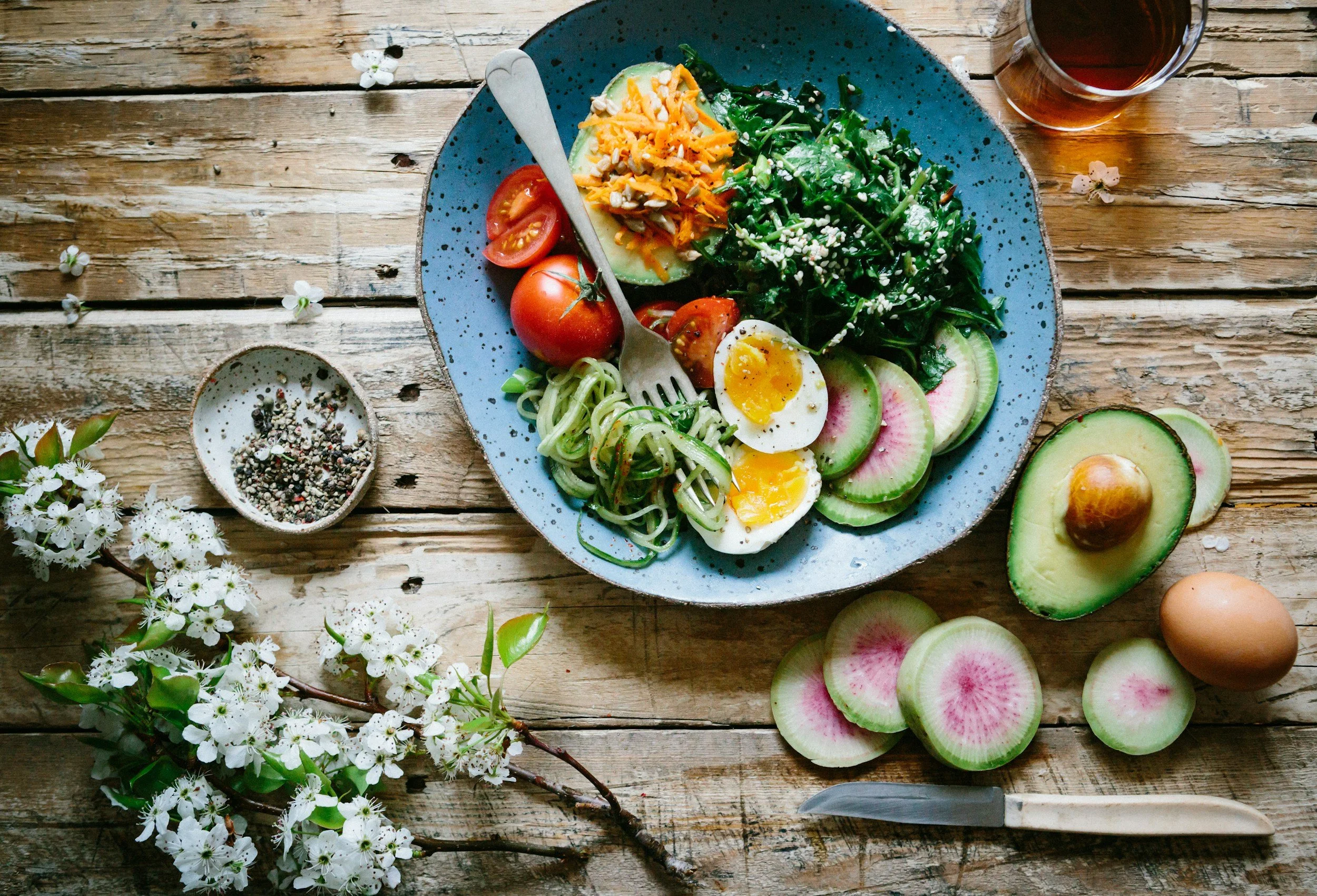
In terms of food, folate is found in dark leafy greens like spinach, kale, and broccoli, as well as avocado, peas, asparagus, lentils, chickpeas, kidney beans, fortified breakfast cereals and bananas. Research supports getting folate from both sources - a varied diet rich in folate-containing foods, alongside your daily supplement.
Worth knowing: Folate matters for male fertility too. Research suggests it plays a role in sperm health, particularly DNA fragmentation, so if your partner is also on board with pre-conception nutrition it's worth them considering it as well.
Vitamin D: The Nutrient Most of Us in the UK Are Low In
Vitamin D is made primarily through sunlight exposure on the skin — and living in the UK, it's probably no surprise that a significant proportion of us don't get enough. What might surprise you, though, is how important it is for reproductive health.
Research shows vitamin D supports normal ovarian function, improves outcomes in IVF and healthier hormone balance more broadly and low levels have been associated with recurrent implantation failure as well as miscarriage risk. It's also been studied in the context of conditions like PCOS (polycystic ovary syndrome), where vitamin D deficiency is particularly common.
The NHS recommends that everyone in the UK consider a 10 micrograms (400IU) vitamin D supplement daily, particularly through autumn and winter. For those trying to conceive, many dietitians and clinicians recommend checking your levels and ensuring you're adequately topped up.
Food sources include oily fish (salmon, sardines, mackerel), egg yolks, red meat, and fortified foods such as some plant milks and breakfast cereals — but diet alone rarely provides us with enough so this is one where a supplement earns its place.
Omega-3 Fatty Acids: For Egg Quality, Hormone Balance, and More
Omega-3 fatty acids — particularly EPA and DHA — are essential fats that your body cannot make in meaningful amounts on its own. They play a role in hormone production, reducing inflammation in the body and supporting egg quality. Studies show they may have beneficial effects on ovarian reserve and increasing probability of conception both naturally and via IVF.
For women, adequate DHA is especially important in the lead-up to conception and throughout pregnancy for baby's brain development. For men, omega-3s have been studied in the context of improving sperm quality — including sperm count, motility (movement), and morphology (shape).
The richest dietary sources of omega-3s are oily fish: think salmon, mackerel, sardines and trout. Aim for around two portions of oily fish per week. If you don't eat fish, plant-based sources like walnuts, chia seeds, flaxseed, and hemp seeds provide a different type of omega-3 (ALA), though the conversion to DHA in the body is limited — so an algae-based DHA supplement is worth discussing if you follow a vegan or vegetarian diet.
Iron: Important For More Than Just Energy
We tend to think of iron primarily in terms of tiredness and anaemia — but it also plays an important role in fertility. Research suggests that adequate iron intake supports healthy ovulation, and iron deficiency has been associated with difficulties conceiving.
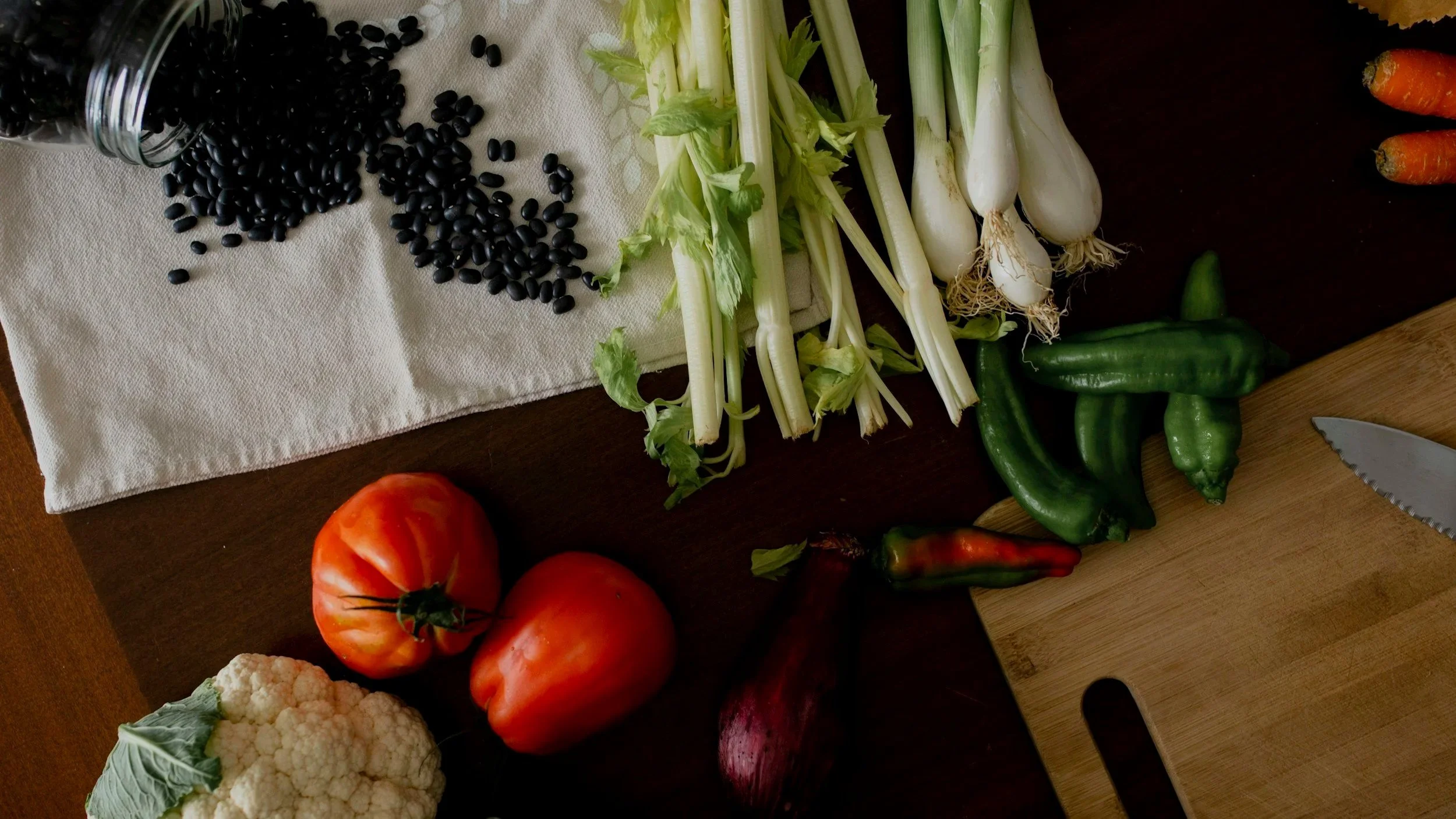
There are two types of iron in food: haem iron, found in red meat, poultry, and fish, which is absorbed most efficiently by the body; and non-haem iron, found in plant foods such as lentils, beans, tofu, dark leafy greens, and fortified cereals. Eating foods rich in vitamin C alongside plant-based iron sources (think a squeeze of lemon on your lentil curry, or a handful of strawberries with your porridge) significantly boosts absorption.
If you suspect your iron levels might be low, it's worth asking your GP for a blood test.
Iodine: The Pre-Conception Nutrient Most People Have Never Thought About
Iodine rarely makes headlines in the way that folate or vitamin D do — but the evidence is increasingly hard to ignore, and as a dietitian I think it deserves far more attention than it gets.
Here's why. The most recent National Diet and Nutrition Survey (2019–2023) now classifies women of childbearing age in the UK as mildly iodine deficient. This is a significant shift — just a decade ago, this same group was considered iodine sufficient. In fact, iodine levels in women of childbearing age have dropped by 25% since 2013. That's not a small change.
So why does it matter for fertility and pregnancy? Iodine is essential for healthy thyroid function, and your thyroid regulates everything from metabolism to hormone balance. During early pregnancy, adequate iodine is critical for your baby's brain and neurological development — and because that development begins so early, your iodine stores before conception matter just as much as your intake during pregnancy itself.
The main dietary sources of iodine are milk and dairy products, white fish, shellfish, and eggs. Milk has historically been the UK's principal source — but with the growing popularity of plant-based milk alternatives (most of which are not fortified with iodine), it's becoming increasingly easy to fall short without realising it. If you've switched to oat, almond, or soy milk, this is a nutrient worth paying attention to.
If you follow a dairy-free or predominantly plant-based diet, an iodine supplement is something I'd strongly encourage you to consider— ideally before you start trying to conceive, to give your thyroid stores time to build up.
One important caveat: Excessive intake can be detrimental, so please avoid supplements containing kelp or seaweed which contain varying amounts and can therefore deliver unpredictably high doses. A standard supplement providing 150mcg daily is appropriate for most people — but if you're unsure what's right for you, this is exactly the kind of thing we can work through together in a consultation.
Zinc: A Key Player for Both Partners
Zinc is involved in many reproductive processes including egg maturation, cell division, fertilisation, early embryo development and implantation — and in men, it's one of the most well-researched minerals in relation to sperm health, supporting sperm production, motility, and DNA integrity.
Good food sources include meat, shellfish (especially oysters, which contain more zinc than almost any other food), legumes, nuts, seeds, and dairy. People who follow entirely plant-based diets may absorb zinc less efficiently due to compounds called phytates in plant foods, so it's a nutrient to be mindful of.
CoQ10: Supporting Egg and Sperm Quality at a Cellular Level
Coenzyme Q10 — or CoQ10 — is an antioxidant naturally produced in the body that plays a key role in mitochondrial function. In the context of fertility, this matters because both eggs and sperm rely heavily on mitochondrial energy to function well.
CoQ10 production in the body naturally declines with age, and there's growing evidence — particularly for women in their mid-to-late 30s and beyond — that supplementing with CoQ10 may support egg quality.
It's found naturally in small amounts in oily fish, meats, wholegrains, and nuts — but getting meaningful amounts from food alone is difficult, which is why it's often discussed as a supplement. If you're thinking about whether CoQ10 is right for you, a one-to-one consultation is the best place to explore this based on your individual circumstances.
Choline: The Essential Nutrient UK Guidelines Haven't Caught Up With Yet
If you've never heard of choline, you're in good company — and that's precisely the problem.
Choline is an essential nutrient, meaning your body cannot make enough of it on its own and you need to get it from your diet. It plays a critical role in cell membrane structure, liver function, and — most relevantly for anyone thinking about conception — it works alongside folate in supporting neural tube development and is vital for foetal brain development in early pregnancy.
Here's what makes this particularly worth knowing. Research suggests that the majority of women in the UK are not getting enough choline — and unlike folate, there is currently no official UK recommendation to supplement it before or during pregnancy. The science, however, is ahead of the guidance - the US National Academy of Medicine recognised choline as essential back in 1998, EFSA has established intake recommendations in Europe, and the American College of Obstetricians and Gynecologists formally recommends 450mg daily in pregnancy. UK policy, however, has yet to catch up.
The richest dietary source by some margin is eggs — specifically the yolk, which is where almost all of the choline lives. This is one of the many reasons eggs are genuinely one of the most nutritious foods you can eat when trying to conceive, despite decades of undeserved bad press. Other good sources include beef liver, chicken, fish, and dairy products. For those following a plant-based diet, soy products, shiitake mushrooms, and cruciferous vegetables like broccoli and Brussels sprouts contain choline, though in smaller amounts — making it another nutrient to be particularly mindful of if you eat little or no animal produce.
Unlike some of the other nutrients in this post, choline is not routinely included in standard pre-conception supplements — so it's worth checking yours, or discussing whether a separate supplement is appropriate for you.
This is one of those areas where having a conversation with a registered dietitian makes a real difference. Getting the right nutrients in the right amounts, from the right sources for your diet, is genuinely where personalised advice earns its place.
Antioxidants: Protecting Your Cells
Oxidative stress — an imbalance between harmful free radicals and the body's ability to neutralise them — can affect both egg and sperm quality. Antioxidants help protect cells from this damage, and a diet rich in them is one of the most supportive things you can do for your reproductive health.
Vitamins C and E are two of the most researched antioxidants in the context of fertility. Vitamin C is found in citrus fruits, kiwi, peppers, and strawberries. Vitamin E lives in nuts and seeds, sunflower oil, avocado, and spinach.
Rather than thinking about this as a checklist, I'd encourage you to think about it differently: a colourful, varied diet — generous portions of fruits, vegetables, wholegrains, legumes, and healthy fats — delivers a broad spectrum of antioxidants naturally. Abundance, not perfection, is the goal.
A Note on Supplements
With all of this in mind, you might be feeling the pull to start building a large supply of supplements. Before you do, a few things worth knowing.
Firstly, not all supplements are created equal. Quality, dose, and the form of the nutrient all matter — and some combinations can interfere with each other's absorption. Secondly, it's easy to over-supplement — and in some cases, too much of certain nutrients (vitamin A and iron being key examples) can actually be harmful in pregnancy.
The baseline recommendation for most people trying to conceive is a folic acid supplement (400mcg), a vitamin D supplement (10mcg/400IU), and — if there's any dietary limitation — to consider iodine. Beyond that, the best approach is a personalised one.
Ready to Get Clear on What's Right for You?
No two fertility journeys are the same — and the supplements and nutrition strategies that make sense for one person may not be right for another. Your medical history, your diet, your lifestyle, and your specific goals all shape what genuinely helpful advice looks like for you.
That's exactly what I'm here for. In a one-to-one consultation, we'll look at the full picture — no generic advice, no overwhelm, just clear, evidence-based guidance that fits your real life.

You deserve clarity, not more confusion. And wherever you are on this journey, I'm here to help you navigate it.
Jasel Small BSc MSc RD — Registered Dietitian, HCPC registered